Both temperature indicators and temperature data loggers have similar purposes – to measure temperature. But what are the differences between them, and what different types of applications would you use each one for? Keep reading this blog to find out what sets them apart and decide whether you need a temperature data logger or a temperature indicator.
Differences Between Temperature Data Loggers vs. Indicators
Temperature data loggers were the first of their kind for sensor technology to be used for cold chain temperatures when they were invented in the 19th century, starting with the “thermograph”. This device recorded temperature trends over time, but it wasn’t as accurate as the technology that we have today.
The first temperature indicator is said to have been invented around 1612, which led to the development of a modern-day basic thermometer. Time-temperature indicators, however, began development in the late 20th century predominantly for use within the food industry.
Functions
A temperature indicator will usually change colour or a part of its appearance when a set temperature limit has been exceeded, whereas a temperature data logger continuously measures temperatures, stores and transmits the data at specific intervals for regular monitoring.
Data Measurement & Analysis
Temperature indicators only show if a product has been exposed to temperatures outside the set limits for a certain amount of time, so they’re great for providing statuses for “pass” or “fail” scoring during on-the-spot checks.
Because temperature data loggers actively record and store data over a long period of time, you’re able to provide a more detailed analysis of trends and fluctuations in temperature.
Application
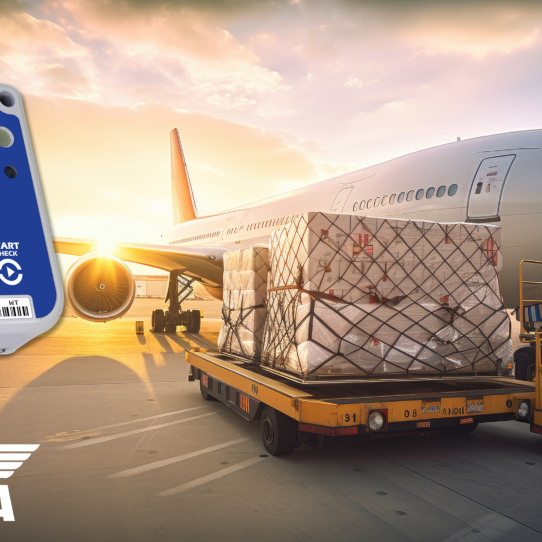
Temperature data loggers are generally used in scenarios where detailed temperature monitoring is needed, such as scientific research in climate-controlled laboratories, industrial processes or cold chain supply and logistics.
Cold chain temperature indicators are used on food packaging or medical supplies to provide spot checks and ensure proper conditions are maintained during storage and transportation.
What should I choose?
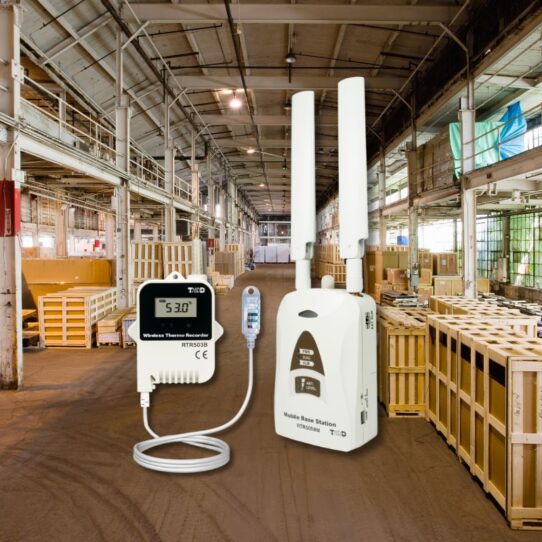
Temperature data loggers are an essential tool for recording conditions in different environments and come in a range of types for different applications, as well as having additional probes attached. They continuously monitor temperature, providing a record that can be analysed in detail and provide very precise measurements.
Temperature data loggers are often placed inside refrigerators, storage areas and in cold supply chains due to their expert technology, being a great choice for products that are highly temperature-sensitive or may need to meet certain regulations. But this also means they require handling by trained professionals who have had experience with their application.
Time-temperature indicators are designed to monitor temperature changes and how long something may have been exposed, mostly for temperature-sensitive products during transport or storage. As their focus is explicitly on temperature change, they are a great choice for food products and provide an easy-to-use, straightforward solution to measure freshness and quality assurance.
Temperature indicators will display cumulative time exposure and temperature exposure using a colour, numerical or other visual change that is easy to read, notifying you that the product has been exposed. They come in different forms, like temperature indicator stickers or strips that easily attach to packaging or food products that will provide accurate exposure detection.
Want to find out more about time-temperature indicators? Our Guide to Temperature Indicators will help you compare models and see what we have in stock.
For more information about whether a Temperature Indicator or a Temperature Data Logger is right for you, get in touch with our team, or browse temperature data loggers and supply chain data loggers on the Loggershop website.