How to Choose a Temperature Data Logger
The best temperature data logger for your application will depend on the conditions you need to monitor and how you plan to use the recorded data. Before choosing a model, consider the following features.
Temperature Range and Accuracy
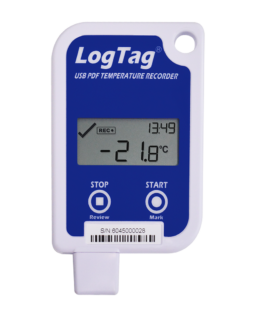
Check that the logger can measure the minimum and maximum temperatures expected in your environment. For example, monitoring a standard refrigerator requires different capabilities from recording ultra-low freezer temperatures or validating an industrial heating process.
Accuracy is equally important, particularly where temperature records support quality control or compliance procedures. Review the manufacturer’s specifications and consider whether a calibration certificate is required for your application.
Sensor Type and Probe Requirements
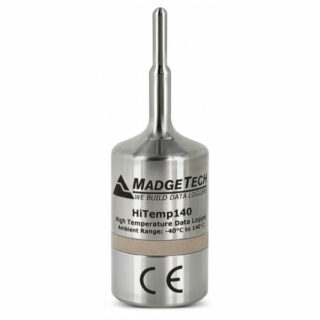
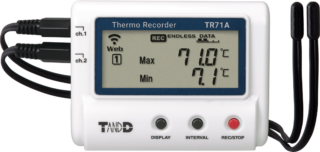
Some temperature data loggers have an integrated sensor, while others use an external probe. An internal sensor can be suitable for measuring the surrounding environment, whereas a probe may be needed to monitor a specific location or application. Check the probe’s measurement range, dimensions and compatibility before purchasing.
USB, Wireless or Remote Monitoring
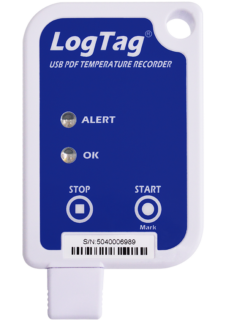
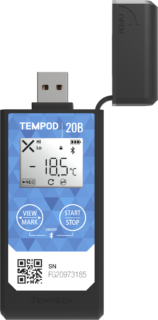
Think about how you need to access your temperature data. USB loggers are useful when readings can be collected and reviewed periodically. Wireless models may be more suitable when you need remote access, ongoing visibility or alerts when temperatures move outside predefined limits.
Connectivity varies between models, so check whether the logger requires additional software, a gateway, a network connection or a subscription.
Alarms and Reporting
If temperature excursions need to be identified quickly, look for a model with suitable alarm functions. Depending on the device, these may include visual indicators, audible alarms, email notifications or SMS alerts.
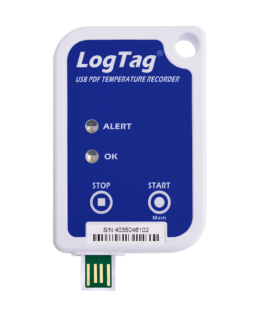
You should also consider how data will be downloaded, analysed and presented. Automatic PDF reports, graphing software and export options can make it easier to review results and maintain records.
Single-Use or Reusable?
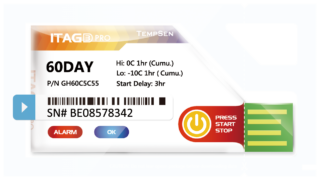
Single-use temperature data loggers can be convenient for individual shipments or journeys, particularly when a device needs to travel with a consignment. Reusable loggers may offer better value for repeated monitoring, provided they meet the requirements of each application and can be reset and prepared for subsequent use.
Compare the purchase price, expected usage, battery arrangements and any software or accessory requirements before making your decision.
Find Your Ideal Temperature Data Logger
Whether you need to monitor temperatures during transport, maintain conditions in storage or record readings in a specialist environment, Loggershop has a range of temperature data loggers to suit different applications. Explore our range to compare features and find the right solution for your requirements, or contact our team for advice on choosing a suitable model.