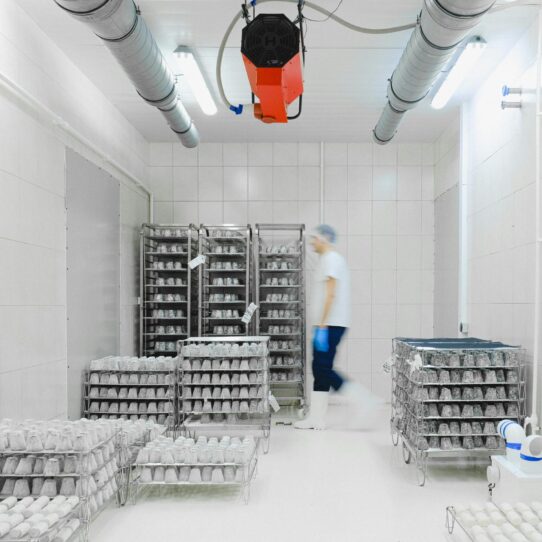
In food and beverage manufacturing, maintaining precise environmental conditions is essential to ensure product safety, quality, and regulatory compliance. From chilled storage to production environments, even small fluctuations in temperature or humidity can lead to spoilage, contamination, and significant financial loss.
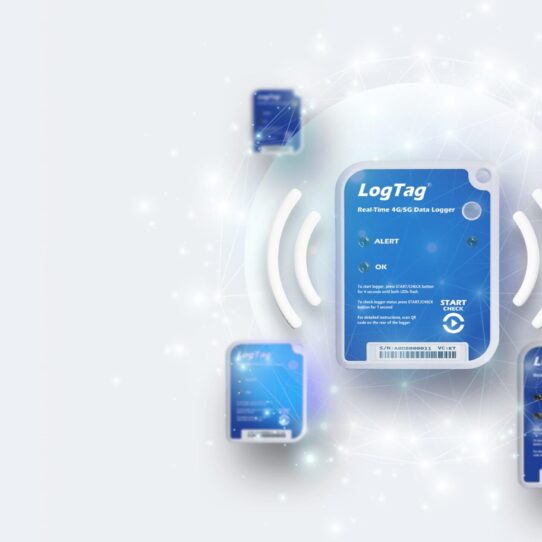
To mitigate these risks, businesses are turning to automated monitoring systems such as temperature and humidity data loggers, including cloud based and wireless solutions. These systems provide continuous, accurate insights into environmental conditions, replacing manual checks with reliable, real-time data that can be accessed remotely and acted on instantly.
At Loggershop, we understand the operational and compliance pressures faced by food manufacturers. In this blog, we explore the key advantages of data logging in this environment and how it supports safer, more efficient processes.
Strengthening Traceability And Food Safety Compliance
Traceability is a fundamental requirement in food manufacturing, particularly under frameworks such as HACCP. Environmental data must be accurate, accessible, and consistently recorded to demonstrate that products have been stored and processed within safe limits.
Temperature data loggers and temperature sensors provide a continuous, time stamped record of conditions throughout production and storage. This creates a reliable audit trail, allowing manufacturers to evidence compliance, identify abnormalities quickly, and trace issues back to their source with confidence.
Reducing Waste In Temperature Sensitive Processes
Food production often involves tightly controlled temperature stages, from chilled storage to freezing and processing. Any unpredictable change can compromise product quality or render goods unsafe.
Using a fridge temperature logger in cold storage areas ensures that perishable ingredients and finished products remain within required ranges. In freezer environments, temperature data loggers designed for low temperatures help maintain product stability and prevent thawing events.
By identifying issues as they occur, rather than after the fact, manufacturers can take immediate corrective action. This significantly reduces waste, protects margins, and supports more consistent product quality.
Simplifying Audits And Quality Assurance
Audit readiness is an ongoing requirement in food and beverage manufacturing. Manual record keeping is not only time consuming but also introduces risk through human error or incomplete data.
Automated temperature data loggers remove this limitation by capturing and storing data digitally. Reports can be generated quickly, providing clear evidence of compliance across production, storage, and handling processes.
This streamlined approach supports faster audits, reduces administrative workload, and ensures that critical information is always readily available.
Maintaining Control Across Production And Storage Environments
Food manufacturing environments are dynamic, with conditions influenced by equipment, processes, and external factors. Continuous monitoring is essential to maintain control across these variables.
A fridge temperature logger provides assurance in chilled storage, while a humidity data logger is critical in areas where moisture levels impact product quality, such as dry goods storage, processing zones, and packaging environments. Excess humidity can lead to mould growth or degradation, while low humidity may affect product consistency.
By using a combination of temperature data loggers, humidity data loggers, and reliable temperature sensors, manufacturers can maintain stable conditions across all stages of production and storage.
Choosing The Right Data Logging Solution
Selecting the right solution depends on the specific demands of your facility. Accuracy, measurement range, and durability are key considerations, particularly in environments with strict tolerances.
Cloud based and wireless temperature data loggers offer additional flexibility, enabling remote monitoring across multiple sites and providing instant alerts when conditions fall outside adequate limits. This allows teams to respond quickly, even outside of working hours.
Equally important are calibration and software capabilities, ensuring that data is both reliable and easy to interpret for compliance and operational decision-making.
A Smarter Approach To Food Manufacturing
Data logging has become an essential part of modern food and beverage manufacturing, supporting both compliance and operational efficiency. Rather than relying on reactive checks, businesses can maintain continuous oversight of critical conditions and respond proactively to any risks.
By investing in temperature data loggers, fridge temperature loggers, humidity data loggers, and robust temperature sensors, manufacturers can reduce waste, simplify audits, and protect product quality at every stage.
Get Started With Loggershop
At Loggershop, we supply a wide range of temperature data loggers, humidity data loggers, and temperature sensors tailored to food and beverage manufacturing environments.
Whether you are improving compliance processes or upgrading to a fully automated monitoring system, our team can help you find the right solution.
Shop online or get in touch to discuss your requirements.