Museums, galleries, and archives are home to irreplaceable cultural treasures—from centuries-old manuscripts to delicate oil paintings and historic textiles. Behind the scenes, a critical part of preservation involves monitoring environmental conditions to ensure that these fragile items remain intact. That’s where temperature and humidity logging comes in.
In this blog, we’ll explore how temperature data loggers and humidity data loggers are used to protect collections, and how implementing a reliable monitoring system can make all the difference.
Why Environmental Conditions Matter
Artefacts are often sensitive to fluctuations in temperature and humidity. High humidity can lead to mould growth, while excessively dry conditions can cause paper to become brittle or paint to crack. Similarly, temperature variations can accelerate chemical deterioration or trigger warping in wooden frames and canvases.
Maintaining stable environmental conditions is essential in preserving the integrity of these artefacts. According to best practice guidance, relative humidity (RH) should typically be kept between 45–55%, and temperatures around 18–22°C—though exact guidelines can vary depending on the materials involved.
The Importance of Data Logging
Continuous temperature and humidity logging helps conservators and facility managers track and respond to environmental changes before damage occurs. Unlike manual readings, data loggers provide real-time and historical data, allowing for precise trend analysis and long-term condition assessment.
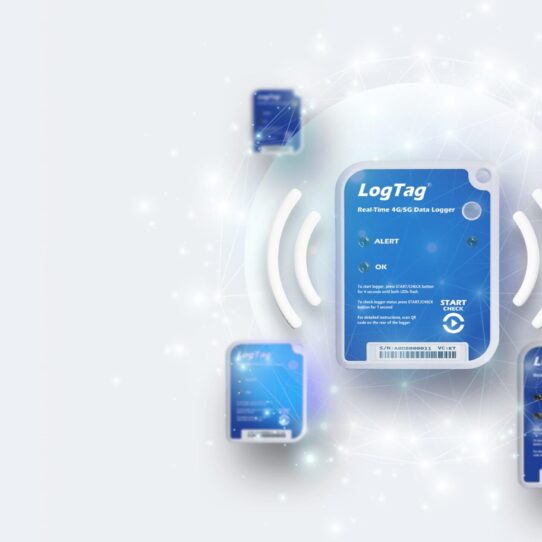
Devices like a temperature data logger or humidity data logger can be discreetly installed in display cases, storage rooms, and exhibition spaces to monitor conditions around the clock. Many museums and heritage institutions now rely on compact, battery-powered models like those found in our temperature data logger range and humidity logger collection.
Practical Logging in Museums and Archives
In manuscript storage rooms, a stable RH level is essential to avoid ink bleeding or paper distortion. Compact humidity data loggers can be placed on shelves or within cabinets to monitor consistent readings.
During art exhibitions, portable temperature data loggers with visual alarms or wireless transmission are often used to monitor changing conditions throughout the day. Many models also support cloud connectivity, which allows museum staff to check readings remotely.
When preserving textiles—like historical garments or tapestries—dual-sensor devices that offer both temperature and humidity logging are often the best choice. These loggers can help prevent the deterioration of delicate fibres, which are highly susceptible to moisture and heat.
Benefits of Data Logging Systems
Implementing temperature and humidity logging systems brings measurable benefits to these environments. Early warnings about unstable conditions help to prevent irreversible damage, while long-term data storage supports reporting for compliance and accreditation purposes.
Many institutions also use this data to plan improvements to storage environments or validate the effectiveness of existing HVAC systems. A well-documented environmental monitoring record is increasingly important in meeting insurance or funding requirements.
For locations that require multi-point monitoring, solutions like the UHADO-16 Temperature & Humidity Data Logger offer an efficient and cost-effective way to capture data from several locations within a single gallery or archive room.
Choosing the Right Logger for Heritage Protection
Choosing the right temperature data logger or humidity data logger depends on several factors including required accuracy, logging interval, data capacity, and connectivity options. For heritage sites that cover multiple rooms or locations, wireless and cloud-based systems can help reduce the need for manual checks and improve response time.
Preserving the past requires more than just careful handling—it depends on precise environmental control. With the right temperature and humidity logging tools, museums and archives can protect their collections from avoidable deterioration. Whether managing a national museum or a small private archive, investing in accurate temperature data loggers and humidity data loggers forms a critical part of a long-term conservation strategy.
Not sure which data logger suits your needs? Contact our expert team at Loggershop for tailored advice, submit a data logger calibration enquiry, or browse our full range of data loggers for temperature and humidity.