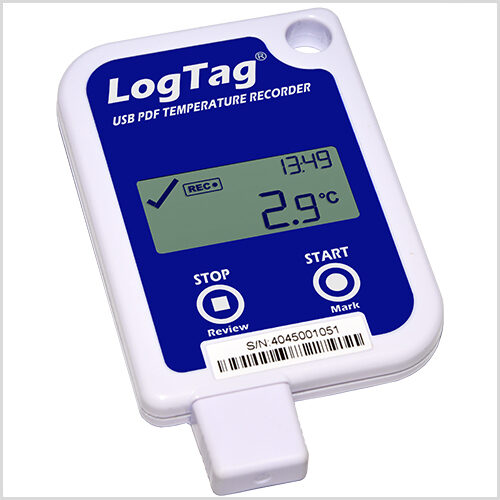
When it comes to data logging, there’s no denying there are options. From the wireless ease of Bluetooth to the convenience of cloud-based data logging, there are a variety of solutions to suit different needs and preferences. The downside is, with all those options available, how do you know which is best suited for your own requirements? Well, in this article, we’re going to be taking a look at one type in particular: USB data loggers.
Keep reading as we discuss the varied benefits of USB data loggers, the potential drawbacks, and a few alternatives in case they don’t provide the solution you’re after.
Benefits of USB Data Loggers
1. Ease of Use
One of the standout advantages of USB data loggers has to be their ease of use. By the very nature of their design, they are often incredibly user-friendly and require minimal set up. Simply plug the logger into a computer’s USB port and you can easily transfer the recorded data. This straightforward approach to a USB data logger’s interface eliminates the need for complex installations or technical expertise, making this type of logger accessible to a wide range of users.
2. No Need for New Infrastructure
Unlike RFID or NFC technologies, USB data logger software doesn’t require the installation of new infrastructure. This can be particularly beneficial for businesses wanting to avoid the complexities and potential costs of setting up new systems. With USB data loggers, you can start monitoring and recording data immediately, leveraging your existing technology without any additional investments.
3. Built-in Alert Thresholds
Many USB data loggers come equipped with built-in alert thresholds, allowing users to set specific parameters for the data being monitored. If these thresholds are exceeded, the logger can alert you, ensuring that you can take timely action to address any issues. This feature is especially useful in applications where maintaining certain environmental conditions is critical, such as in pharmaceuticals or food storage.
4. Longer Battery Life
Compared to wireless loggers, USB data loggers generally offer a longer a battery life. This extended battery performance means less frequent replacements and maintenance, reducing the overall cost and effort required to keep the loggers operational. For long-term monitoring projects, the reliability and longevity of USB data loggers are significant advantages.
5. Cost-Effective Solution
USB data loggers are often more cost-effective than their wireless counterparts due to the comparative simplicity. The lower cost of these devices makes them an attractive option for businesses and individuals looking for an efficient way to monitor and record data without breaking the bank. Similarly, and as mentioned earlier, the lack of need for additional USB data logger infrastructure further helps their cost-effectivity.
Potential Drawbacks of USB Data Loggers
While USB data loggers offer numerous benefits, it’s also important to consider some potential drawbacks to ensure they’re the right fit for your needs.
1. Physical Retrieval Required
One of the main limitations of USB data loggers is the need to physically retrieve the logger to transfer data. Unlike wireless loggers, which can transmit data remotely, USB loggers require manual intervention. This can be inconvenient, especially in large-scale operations or when loggers are placed in hard-to-reach locations.
2. Cyber Security Risks
USB data logger software can arguably pose more of a cyber security risk compared to other data transfer methods. The physical connection to a computer’s USB port opens up potential vulnerabilities, such as the risk of malware transmission. It’s important to ensure that the computers used to download data from USB loggers are secure and protected against cyber threats.
3. No Easy Cloud Upload
Unlike some modern data loggers that offer seamless cloud integration, USB data loggers lack an easy way to upload data directly to a cloud server. This limitation means that additional steps are required to transfer and store data in the cloud, which can be time-consuming and less efficient for users who rely heavily on cloud-based data management systems.
Potential Alternatives to USB Data Loggers
If the drawbacks of USB data loggers discussed above are enough to convince you they’re not the most appropriate logger for your needs, consider the alternatives below.
1. Wireless Data Loggers
Wireless data loggers utilise Wi-Fi or Bluetooth technology to transmit data remotely. This eliminates the need for physical retrieval and allows for real-time data monitoring. Wireless loggers can be an ideal alternative to USB data loggers for for large-scale operations or hard-to-reach locations, providing convenience and efficiency. However, they often come at a higher cost and may require a more complex infrastructure.
2. RFID Data Loggers
RFID data loggers use radio frequency identification to track and monitor data. These loggers can automatically transmit data to a central system without the need for manual retrieval. The RFID technology is particularly useful in environments where precise tracking and quick data access are essential, such as in logistics and inventory management. The main drawback is the need for RFID readers and infrastructure, which can be costly to implement.
3. NFC Data Loggers
NFC (Near Field Communication) data loggers are similar to RFID loggers but typically have a shorter range. They allow for easy data transfer by bringing the logger close to an NFC-enabled device, such as a smartphone or tablet. This technology is convenient for applications where users need to quickly and easily download data without a physical connection. However, like RFID, the range is limited and may require specific infrastructure.
Choosing USB Data Loggers
When selecting a data logging solution, it’s essential to weight the benefits and drawbacks of each option against your specific needs. While USB data loggers offer simplicity, cost-effectiveness, and reliability, alternatives can provide unique advantages for certain applications. Understanding these options will help you make an informed decision to ensure optimal data monitoring and management for your business.
For more information on USB data loggers and other data logging technology, check out our range of blogs and other resources. Alternatively, get in touch today and we’ll be happy to discuss the options available.